What is a 3D LED Video Wall and How Does It Transform Visual Experiences?
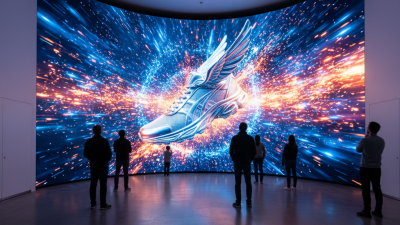
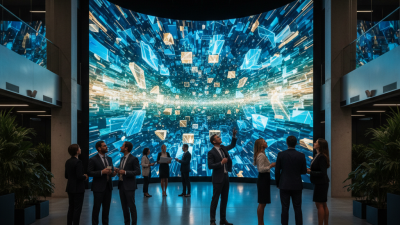
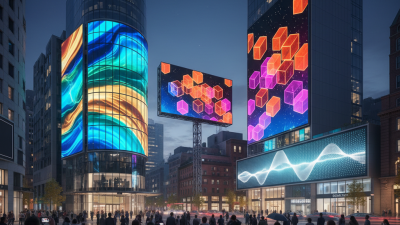
The 3D LED Video Wall represents a significant advancement in visual technology. It is more than just a display; it's an immersive experience. The depth and richness of images create a captivating atmosphere. This technology transforms spaces, enhancing everything from concerts to corporate events.
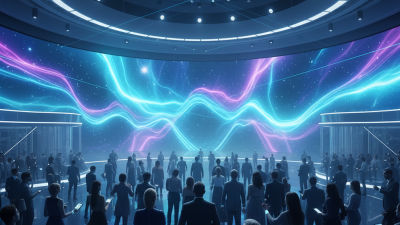
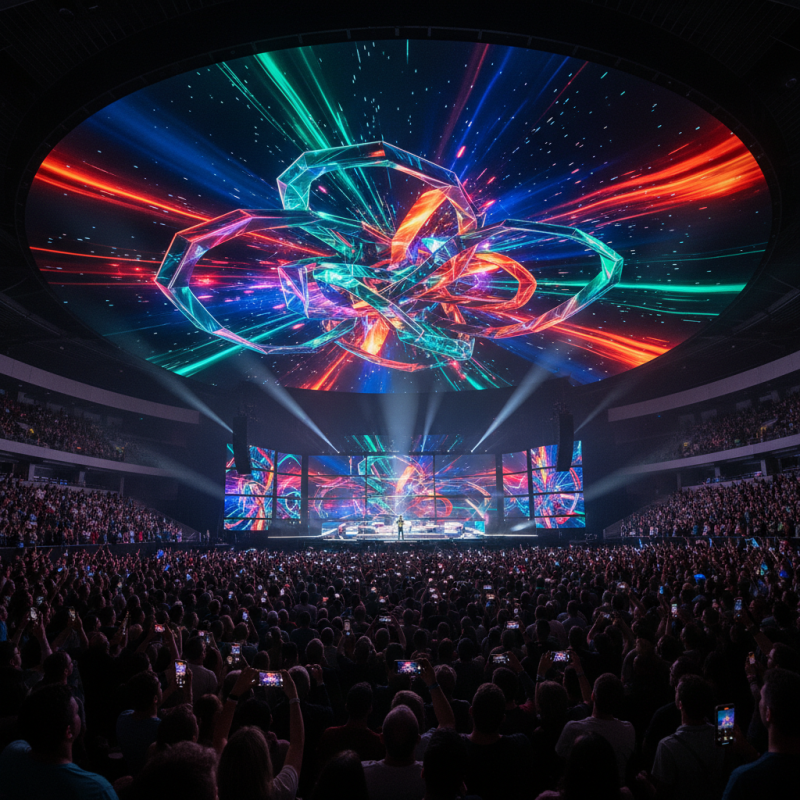
With stunning visuals and vibrant colors, a 3D LED Video Wall draws viewers in. Consider a live performance, where every detail comes to life. The dynamic nature of this display creates a feeling of participation. Audiences react differently, often feeling part of the action. However, this technology also raises questions about viewer engagement and potential distractions.
While the visual impact is undeniable, one must reflect on its implications. The boundaries between entertainment and reality blur. As this technology evolves, we must consider how it affects our perception. The 3D LED Video Wall challenges us to rethink visual experiences in meaningful ways.
Definition and Overview of 3D LED Video Walls
3D LED video walls are revolutionizing visual experiences across various industries. These walls combine high-definition light-emitting diodes with advanced 3D technologies. This marriage creates depth and motion, engaging viewers in a unique way. According to a recent report from Markets and Markets, the global 3D video wall market is projected to reach $9.7 billion by 2026, highlighting a significant trend in immersive visual technology.
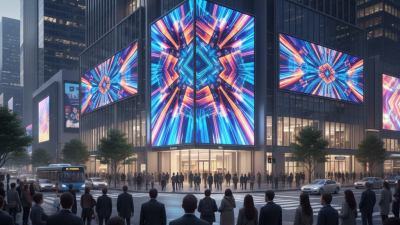
These video walls are increasingly used in retail, entertainment, and events. They capture audience attention through vibrant colors and dynamic presentations. A well-designed 3D LED wall can turn a standard advertising display into an interactive piece of art. However, not every installation achieves its full potential. Technical challenges such as calibration and viewer positioning can hinder effectiveness. Creating content that resonates with audiences is also crucial.
Some installations may appear overwhelming or too busy. Striking a balance between visual impact and clarity is essential. Reports indicate that while interest in 3D video walls rises, they must be deployed thoughtfully. Ensuring that the viewer experience remains positive is vital amid the rapid evolution of this technology. The journey of adopting 3D LED video walls is ambitious yet fraught with challenges that demand careful consideration.
Key Technologies Behind 3D LED Video Walls
3D LED video walls are revolutionary tools that redefine how we experience visual content. These displays combine advanced technologies to create immersive environments. Using LED panels arranged in intricate configurations, they project stunning visuals. The depth and clarity transform any space into a captivating experience.
Key technologies play a significant role in the effectiveness of 3D LED video walls. One important technology is pixel mapping. It allows for precise control over each LED pixel. This ensures images are sharp, even from various angles. Additionally, real-time rendering technologies enhance the depth effect. This makes visuals appear more lifelike and engaging.
Tips for using 3D LED video walls: Always consider the viewing distance. Close proximity may distort the image. It's vital to experiment with layouts. Creating unique configurations can yield surprising results. Sometimes, the simplest arrangements can be the most effective. Embrace trial and error; it leads to innovative displays.
Applications of 3D LED Video Walls in Various Industries
3D LED video walls are revolutionizing how we experience visual content. These installations create immersive environments, capturing viewers' attention. They are used in various sectors, transforming traditional spaces into dynamic visual playgrounds.
In retail, 3D LED video walls enhance customer experiences. Shoppers interact with products in ways never seen before. They can feel larger-than-life visuals that bring products to life. However, challenges include ensuring the content remains engaging and relevant. Businesses must invest in quality content that resonates with their audience.
In the entertainment industry, these walls have become game-changers. Concerts, theaters, and exhibitions utilize 3D LED video walls for captivating visuals. They help create unforgettable experiences, but technical failures can disrupt the magic. It's crucial to have backup plans in place for these high-stakes events.
Applications of 3D LED Video Walls in Various Industries
Benefits of Utilizing 3D LED Video Walls for Visual Experiences
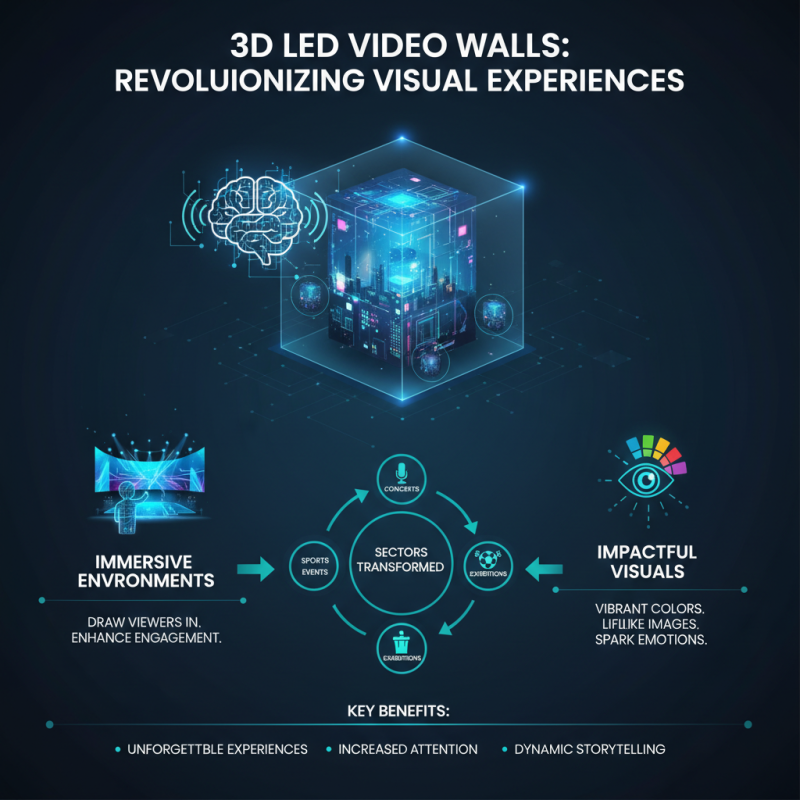
3D LED video walls are revolutionizing visual experiences across multiple sectors. Their stunning visuals create immersive environments, drawing viewers in. Whether in a concert, sports event, or exhibition, these walls captivate audiences like never before. The vibrant colors and lifelike images spark emotions, enhancing engagement.
One notable benefit is versatility. 3D LED video walls adapt to various settings. They can display anything from advertisements to interactive art. This adaptability makes them valuable for creators. However, deploying such technology requires thoughtful planning. Not every setting will benefit from their use, as they can overwhelm smaller spaces.
Another aspect to consider is cost. While initial investments may be substantial, the impact often justifies it. That said, not all businesses can afford such enhancements. Striking a balance between budget and visual impact is crucial. Ultimately, the challenge lies in aligning technology with the audience's expectations. Balancing creativity and practicality ensures 3D LED video walls truly transform visual experiences.
Future Trends and Innovations in 3D LED Video Wall Technology
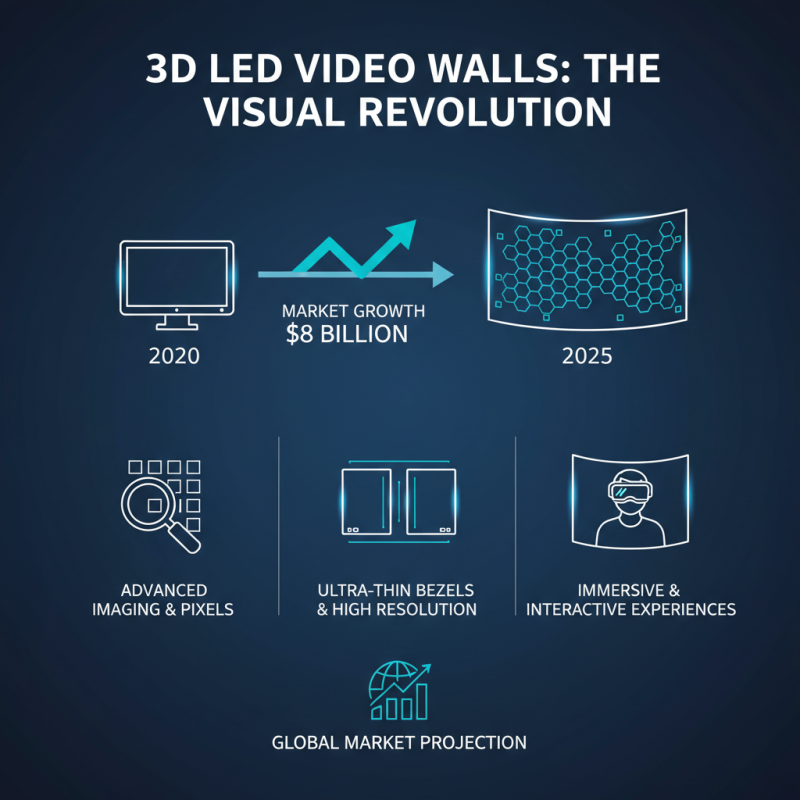
The evolution of 3D LED video wall technology is reshaping visual experiences across various sectors. By 2025, the global market for such technology is projected to reach over $8 billion. This growth is fueled by advancements in imaging techniques and pixel technology. New designs allow for ultra-thin bezels and even higher resolutions. Users now demand more immersive and interactive displays.
Future trends point towards the integration of AI and machine learning. These technologies can analyze viewer behavior and optimize content delivery. Enhancements like virtual reality capabilities also promise to engage audiences even more deeply. However, challenges persist. The high costs of installation and ongoing maintenance can deter some users. Additionally, energy consumption remains a concern as larger displays often require substantial power.
As this technology advances, ethical considerations must also be addressed. Overstimulation through excessive use of 3D visuals can negatively impact user experience. It raises questions about balance in design and effectiveness. The industry must tread carefully to ensure that innovations enhance, rather than overwhelm, the viewer's journey.