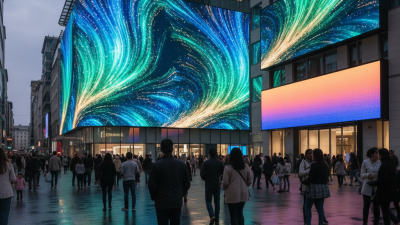
Top 10 Outdoor Led Display Features You Should Know?
In today's rapidly evolving marketing landscape, the significance of Outdoor Led Displays cannot be overstated. According to a recent industry report, the global outdoor LED display market is projected to reach over $25 billion by 2025, growing at a CAGR of 11.2%. This surge is attributed to the enhanced visibility and vibrancy these displays provide.
With their ability to capture attention, outdoor LED displays have transformed advertising strategies. Businesses can effectively communicate their message to a diverse audience. However, not all LED displays are created equal. Features such as brightness, weather resistance, and resolution play a crucial role in performance.
There is room for improvement in many existing displays. Some businesses overlook maintenance needs or fail to understand placement variables. It is essential to consider these factors carefully. Investing in high-quality outdoor LED display technology is a critical decision. Each key feature can significantly impact overall efficiency and marketing success.
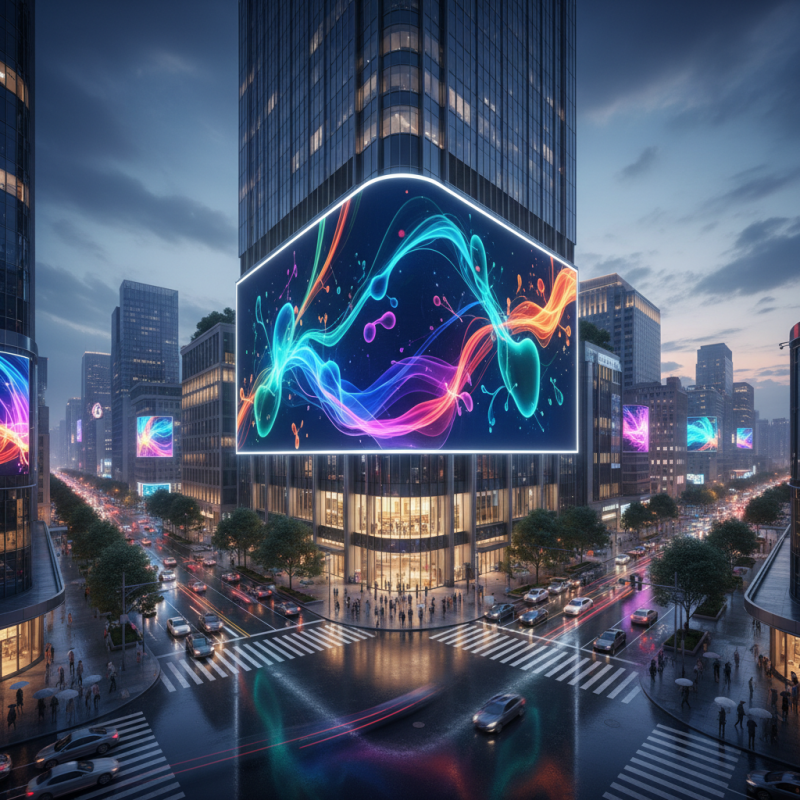
Top 10 Outdoor LED Display Features You Should Know
Outdoor LED displays have transformed advertising and information dissemination. Several key features enhance their effectiveness. Brightness is crucial. Most displays offer brightness levels exceeding 5,000 nits. This ensures visibility in direct sunlight, making them ideal for outdoor use.
Another critical feature is durability. Many outdoor displays are rated IP65 or higher, meaning they can withstand rain, dust, and fluctuating temperatures. This resilience is vital for maintaining consistent performance. However, some displays still face issues with weather resistance. It's important to research materials before installation.
Color accuracy also plays a pivotal role. High-quality displays can replicate 16 million colors. This enhances viewer experience dramatically. Yet, not all displays achieve this color depth. Some may suffer from fading over time. Regular calibration is necessary to maintain optimal performance. Therefore, it’s essential to understand these features before making a decision.
Understanding Brightness Levels: Essential for Outdoor Visibility
When considering outdoor LED displays, brightness levels are crucial for visibility. The ambient light has a significant impact on how well a display can be seen. For instance, bright sunlight can wash out dimmer screens, making it hard for viewers to see important information. It's estimated that a brightness level of at least 5,000 nits is needed for clear visibility in direct sunlight.
Tips: Aim for higher brightness ratings. This ensures clarity, especially during peak daylight hours.
Understanding how brightness affects viewer experience is essential. Various studies suggest that outdoor displays with lower nits can decrease viewer engagement by 40%. The right brightness not only enhances visibility but also improves the overall aesthetic appeal of your advertising content.
Tips: Conduct location assessments. Measure ambient light conditions before installation to choose the optimal brightness.
Moreover, consider the time of day. Displays operating in low light conditions may not require ultra-high brightness. Some reports indicate that adaptive brightness controls can save energy and extend the life of the display. Be cautious with energy consumption. Balancing brightness with power efficiency is key for sustainability and cost-effectiveness.
Top 10 Outdoor Led Display Features You Should Know - Understanding Brightness Levels: Essential for Outdoor Visibility
| Feature |
Description |
Typical Brightness (nits) |
Ideal Use |
| Brightness |
Measurement of luminance which affects outdoor visibility. |
5000 - 7000 nits |
Daytime viewing |
| Contrast Ratio |
Ratio of the brightest white to the darkest black displayed. |
3000:1 |
Nighttime viewing |
| Resolution |
Number of pixels shown on the display, affecting image clarity. |
1920 x 1080 |
High-definition content |
| Durability |
Ability to withstand environmental factors like rain and wind. |
IP65 rating |
Outdoor installation |
| Viewing Angle |
The maximum angle at which the display can be viewed. |
140 degrees |
Large crowds |
| Color Depth |
Number of bits used to represent the color of a single pixel. |
16 bits |
Vivid imagery |
| Refresh Rate |
Frequency at which the image is refreshed on the screen. |
60 Hz |
Dynamic content |
| Power Consumption |
Amount of power used by the display. |
300 - 500 W/m² |
Efficiency considerations |
| Weight |
Weight of the entire display unit. |
<50 kg/m² |
Ease of installation |
| Installation Flexibility |
Options for mounting and setup in various environments. |
Varied options |
Custom setups |
The Importance of IP Ratings for Weather Resistance and Durability
When considering outdoor LED displays, IP ratings play a vital role in assessing their weather resistance and durability. An IP rating, or Ingress Protection rating, indicates how well a device can resist dust and water. For outdoor environments, a high IP rating is essential to ensure the display remains functional and visually appealing under various weather conditions.
Displays with IP65 ratings or higher offer significant protection against rain and dust. This means they can withstand harsh conditions, such as heavy rain or strong winds. Choosing displays with lower ratings might save money but can result in frequent repairs or replacements. The cost of maintenance can add up if the display is damaged by the elements. Always consider the location and weather patterns before making a decision.
Weather resistance is not solely about functionality. A good display retains its brightness and image clarity, even under sunlight or rain. Without proper protection, colors may fade or images blur, affecting visibility. Investing in high IP-rated displays offers peace of mind. It’s an essential feature that can prevent disappointment down the road.
Evaluating Pixel Pitch: Balancing Resolution and Viewing Distance
Evaluating pixel pitch is crucial for outdoor LED displays. Pixel pitch refers to the distance between the centers of two adjacent pixels. A smaller pitch means higher resolution, which improves image clarity. However, this comes at a cost. Displays with a finer pixel pitch are often more expensive and may require specific viewing distances.
Industry data shows that a pixel pitch of 4mm can provide good resolution for audiences within 10-15 feet. For larger venues, a 10mm pitch may suffice, especially for viewers positioned further away. Research suggests that people notice resolution changes at distances closer than 1.5 times the pixel pitch. This means that for an 8mm pitch, viewers should be at least 12 feet away for optimal viewing.
Some may overlook the importance of balancing resolution and cost. Higher resolution does not always equal better viewing experiences. It’s essential to analyze the audience's expected viewing distance. Without understanding this, businesses could waste resources on unneeded resolution. Each venue has unique requirements. Choosing wisely is imperative for maximizing impact and managing budgets effectively.
Top 10 Outdoor LED Display Features You Should Know
This chart illustrates the relationship between pixel pitch, resolution, and optimal viewing distance for outdoor LED displays. A lower pixel pitch indicates a higher resolution and allows closer viewing distances, while a higher pixel pitch requires a larger viewing distance.
Color Accuracy and Contrast: Key Factors for Stunning Visuals
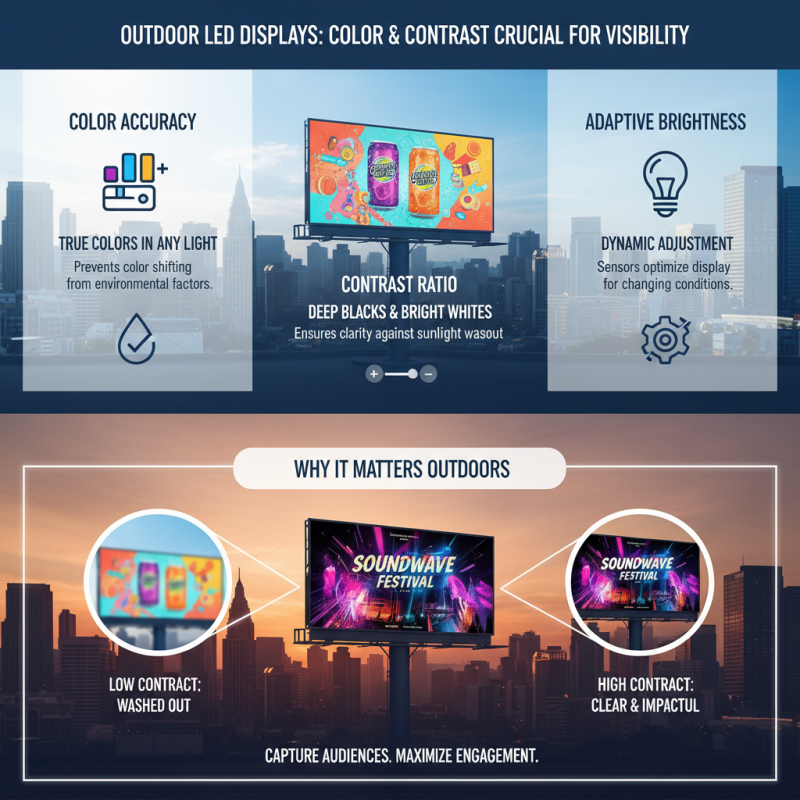
Color accuracy and contrast are vital when it comes to outdoor LED displays. When you’re outdoors, lighting conditions change constantly. Bright sunlight can wash out images if the display lacks proper contrast. A high-quality screen ensures that colors remain vibrant, even in harsh light. This is crucial for catching the attention of an audience.
When discussing color accuracy, it’s essential to recognize that not all displays handle colors the same way. Some may oversaturate colors, making them look unnatural. This can be distracting. On the other hand, under-saturated colors may appear dull, causing viewers to lose interest. It’s a balancing act, and achieving perfect color reproduction is challenging.
Contrast is equally important. It enhances readability, especially at a distance. A well-designed display with sharp contrasts helps viewers discern details quickly. However, if the contrast is too harsh, it can cause eye strain. Regular assessment of both color and contrast is necessary. Outdoor environments require continuous fine-tuning. It’s an ongoing learning process for display operators.
Conclusion
When considering the purchase or installation of an Outdoor LED Display, understanding its key features is crucial for optimal performance and visibility. Brightness levels significantly impact outdoor visibility, ensuring that the content remains clear and vibrant in various lighting conditions. Additionally, the Importance of IP ratings cannot be overlooked, as they indicate the display's resistance to weather elements, contributing to its durability and longevity.
Evaluating pixel pitch is also essential, as it directly affects the display's resolution and the optimal viewing distance for audiences. Furthermore, color accuracy and contrast are critical factors that enhance the visual appeal of the content being displayed. Lastly, power consumption and energy efficiency play a significant role in long-term operational costs, making it vital to choose a model that balances performance with sustainability. Understanding these ten features ensures a well-informed decision when selecting an Outdoor LED Display tailored to specific needs.